Japandi Dreams & Cottagecore Charms: Blending Styles Without Clashing
Interior design often feels like a balancing act between vibe and practicality. Japandi and Cottagecore, two aesthetics that have gone viral, might seem like total opposites at first glance. One is sleek and minimal, the other whimsical and nostalgic. Yet, when brought together carefully, they can make a home feel both cozy and grounded. Design experts note that successful style blending often comes down to consistency in color palette and material choice. You don’t need to be an architect or design pro to make it work. What matters most is creating a flow that feels intentional instead of chaotic. Here’s everything you need to know when blending these styles seamlessly.
Neutral Foundations With Natural Textures
Japandi is built on calm colors: whites, beiges, and muted grays. Cottagecore thrives on organic textures: linens, knits, and woods. Mixing these two creates a stage where quiet minimalism meets countryside comfort. For example, a clean-lined Japandi sofa can look softer when paired with a chunky knit throw or floral pillow. Studies on color psychology even show that neutral palettes reduce stress levels, making these combinations more than just stylish—they’re functional for your wellbeing. It’s proof that subtle choices can change how your space feels day to day.
Functional Simplicity Meets Playful Decor
Japandi champions function first: everything has a role. Cottagecore leans toward playful touches—think teacups, dried flowers, or vintage lamps. Merging them keeps your home practical while still inviting a sense of charm. The trick is moderation. One or two playful accents can bring warmth without overwhelming the clean lines. Interior stylists often advise layering decor gradually, so the room evolves instead of looking like a theme park overnight. That way, you get charm without chaos.
Sustainable Choices as a Shared Value
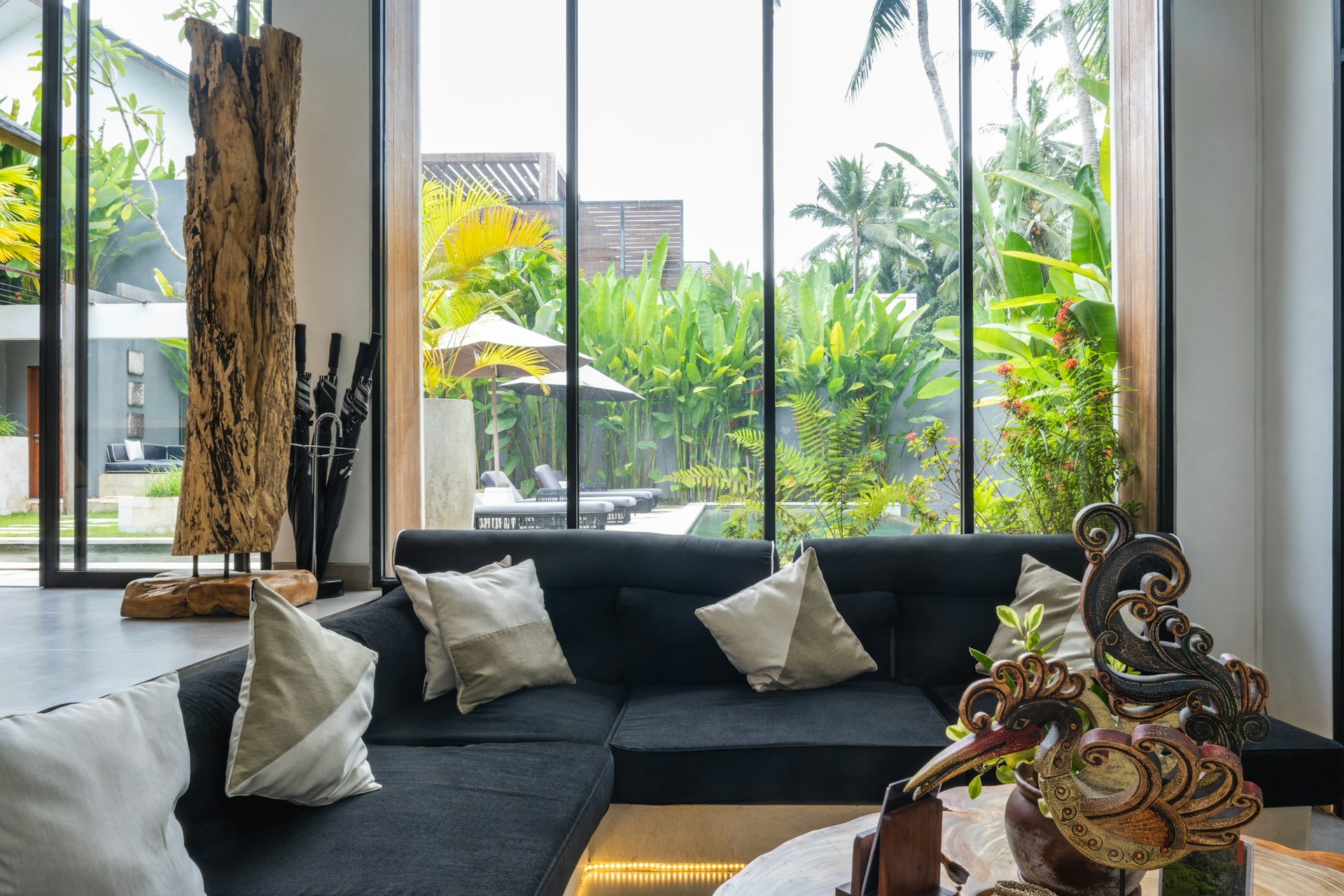
Both Japandi and Cottagecore celebrate sustainability in different ways. Japandi favors well-made, long-lasting furniture, while Cottagecore loves secondhand finds and handmade crafts. Together, they encourage mindful shopping rather than impulse buys. Recent reports show that Gen Z and millennials are driving a boom in secondhand home goods. That makes these styles especially fitting for people who want their space to reflect both style and values. By choosing reclaimed wood, upcycled pieces, or quality craftsmanship, your home can look amazing while also reducing waste.
Mixing Old and New With Balance
Cottagecore naturally pulls in vintage finds. Japandi adds modern simplicity. Put together, they balance old soul charm with sleek, uncluttered design. A rustic wooden dining table paired with minimalist chairs is a great example of this blend. The contrast makes each piece stand out without fighting for attention. This mix also tells a story—your home feels lived-in yet intentional, like pages of a diary set against a calm backdrop.
Japandi and Cottagecore don’t have to clash—they can actually complete each other. The minimalism of Japandi keeps Cottagecore’s whimsy grounded, while Cottagecore softens Japandi’s restraint. The end result is a home that feels calm, warm, and personal. By combining the best of both, you’re crafting a style that’s Instagram-worthy but also livable.