How Home Design Is Adapting to Hybrid Work
The rise of hybrid work has changed how people use their homes, transforming them into spaces that support both personal life and professional responsibilities. Instead of serving primarily as places for rest and recreation, homes are increasingly expected to accommodate meetings, focused work, collaboration, and everyday living within the same environment. This shift has influenced residential design by encouraging greater flexibility, improved functionality, and thoughtful use of available space. As hybrid work becomes a lasting part of many industries, home design continues to evolve to meet changing lifestyle and workplace expectations.

Creating Dedicated Work Areas
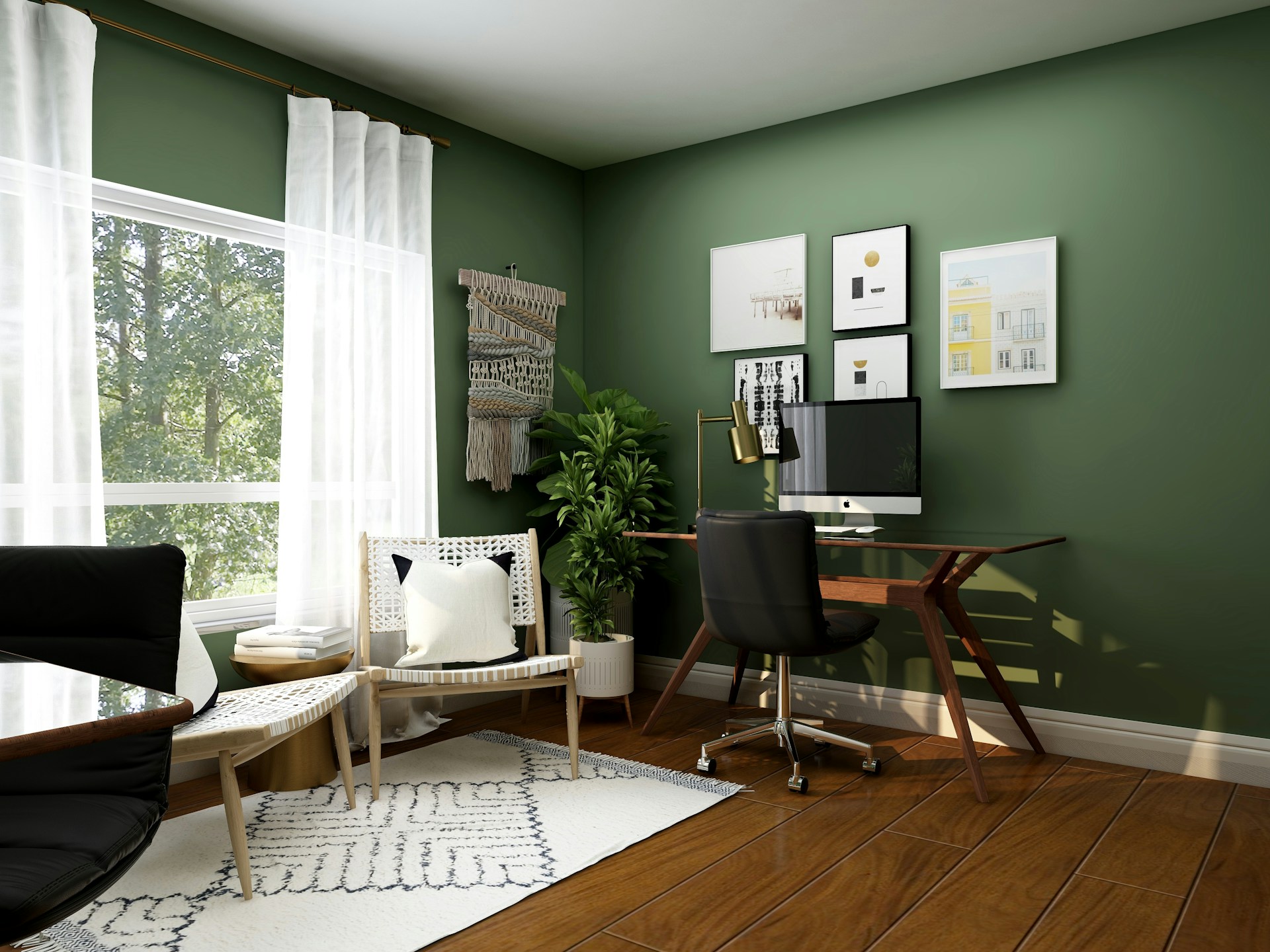
One of the most noticeable changes in home design is the inclusion of dedicated workspaces. While separate home offices remain desirable, many homes now incorporate flexible areas that can serve multiple purposes throughout the day. Spare bedrooms, quiet corners, and converted living spaces are often designed to support productive work while maintaining comfort. The emphasis is on creating environments that encourage concentration without disrupting other household activities, allowing work and personal life to coexist more effectively.
Prioritizing Flexible Living Spaces
Hybrid work has increased the demand for rooms that can adapt to different needs as schedules change. Open spaces are now designed with flexibility in mind, allowing areas to function as workspaces during business hours and family spaces afterward. Movable furniture, modular layouts, and adaptable storage solutions help maximize available space without requiring major structural changes. This approach enables homeowners to respond to changing routines while making efficient use of every part of the home.
Improving Comfort and Productivity
A productive home environment depends on more than having a desk and chair. Designers are placing greater importance on natural lighting, ventilation, sound control, and indoor comfort to create spaces that support extended periods of work. Larger windows, improved insulation, and carefully planned room layouts help reduce distractions while making interiors more pleasant throughout the day. These design considerations benefit both work activities and everyday living by creating healthier and more comfortable environments.
Integrating Smart Home Technology
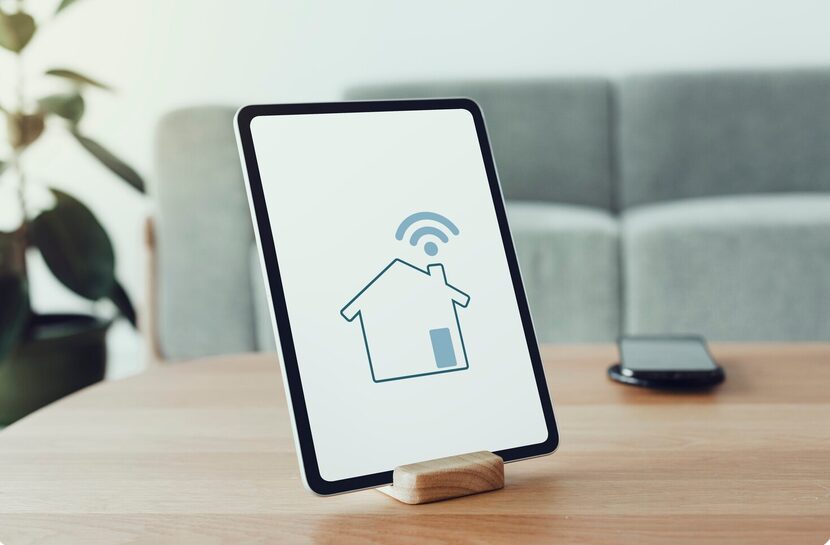
Technology has become an essential part of homes designed for hybrid work. Reliable internet connectivity, smart lighting, automated climate control, and connected security systems support daily routines and improve convenience. Many homeowners also incorporate charging stations, integrated cable management, and dedicated areas for digital equipment to maintain organized work environments. As smart home technology continues to advance, these features are becoming increasingly common in homes that balance professional and personal activities.
Designing for Long-Term Lifestyle Changes
Hybrid work has encouraged architects and designers to view homes as multifunctional environments rather than spaces with fixed purposes. New residential designs increasingly consider the possibility that work arrangements may continue evolving. Homes are being planned with adaptable layouts that can accommodate changing family needs, new technologies, and future work habits. This long-term perspective helps ensure that living spaces remain practical and functional even as personal and professional lifestyles continue to change.
Home design is adapting to hybrid work by creating flexible, comfortable, and technology-ready living environments that support a wide range of daily activities. Dedicated work areas, adaptable layouts, improved comfort, and integrated smart technology reflect the changing role of the modern home. As hybrid work becomes a permanent feature of many careers, residential design will continue evolving to balance productivity with everyday living. These changes demonstrate how homes are becoming more versatile spaces that meet both current needs and future lifestyle demands.